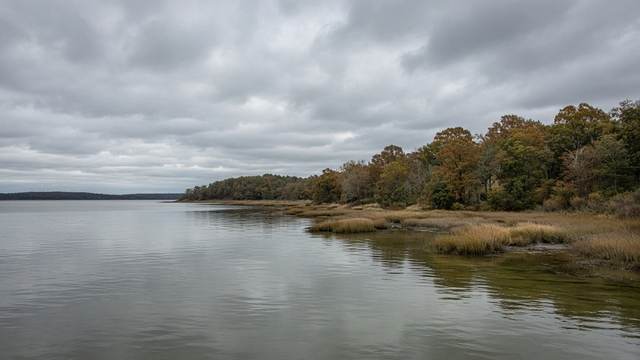
BALTIMORE, MARYLAND — The Maryland Department of the Environment has proposed new limits for two toxins made by harmful algal blooms. The limits would apply to all recreational water body areas in the state. The proposal is part of the department's 2025 Triennial Review of Water Quality Standards, and a public hearing on it is set for Oct. 29.
Under the proposal, microcystin would be limited to 8 micrograms per liter and cylindrospermopsin to 15 micrograms per liter. A water would miss the standard if either toxin ran above its limit in more than three 10-day assessment periods in a recreational season, in more than one year. The department's hearing slides say the toxins can harm people, pets and livestock that swallow or are exposed to contaminated water. The review says the blooms can result from nutrient enrichment.
Separately, the review proposes no changes to Eastern Bay's existing restoration variance. Eastern Bay, where the Miles and Wye rivers flow, is one of two Bay segments with a "restoration variance," which state rules define as a temporary exception that allows designated uses to go unmet, with no enforcement action, when certain federal justifications apply. The other is a mid-Bay mainstem segment. The department says it is not proposing changes to either variance this cycle and will keep reviewing them as new data come in.
The package also proposes adopting the remaining 25 of 94 federal human health criteria for chemicals, including benzene, toluene and cyanide. It would add federal freshwater aquatic life criteria for two PFAS chemicals, PFOA and PFOS. It would also name 15 streams for Tier II high-quality protection and designate three Harford County streams as cold water. None of the 15 Tier II streams is in Talbot County. The only one on the Eastern Shore is Loretta Branch in Somerset County. Permit applications that have already started a Tier II review would be grandfathered under the current map, according to the slides.
The hybrid hearing runs from 5:30 to 7:30 p.m. Oct. 29 on Google Meet and at the Catonsville Public Library. Written comments are due Nov. 18 and can be emailed to Melinda Cutler at the department, melinda.cutler [at] maryland.gov. The department says it will publish a response to comments after the comment period closes.
Source: Maryland Department of the Environment
Also: Maryland Department of the Environment (2), Maryland Department of the Environment (3), Maryland Department of the Environment (4), Maryland Department of Natural Resources
Drawn from public records; drafted with AI and edited by Peter Gorman before publication.
Comments
Signed comments are held for review, then published. Obvious spam is rejected before it reaches the editor. Letters and comments.
No published comments yet.