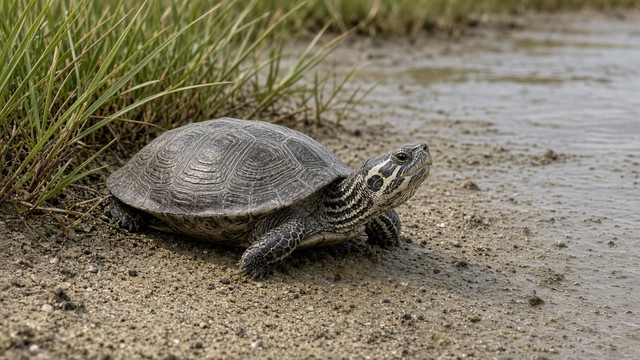
EASTON, MARYLAND — The Maryland Department of Natural Resources wants to bar collecting reptiles and amphibians from the wild without a permit or other express permission from DNR, including diamondback terrapins, box turtles and most native snakes and frogs, and it is taking public comment on the proposal through Nov. 27.
The draft changes to the state's reptile and amphibian rules, known as COMAR 08.03.11, would also limit possession, breeding, sale and trade of native species except by special permit, the department said in a Nov. 6 announcement. The limits on possession, breeding, sale and trade would apply only to species native to Maryland, so non-native pets are not affected, the department says. The draft's ban on collecting from the wild without a permit or other express permission from DNR covers native and non-native species alike.
People who already legally keep a native reptile or amphibian would qualify for a free grandfather permit to keep their pets, and no animals would have to be surrendered or euthanized, according to the department's questions-and-answers page. Owners would have three months to get the permit once the changes take effect, and the application will be posted on the DNR website at that point. A grandfathered animal that dies cannot be replaced with another of the same species. Breeders holding a grandfather permit would have to sell their animals outside Maryland, in states where owning those species is legal.
Red cornsnakes and captive-bred albino or other color-mutation native animals are exceptions: anyone may keep up to four wild-colored red cornsnakes, and any number of color mutants, without a permit, but breeding, selling or trading them, or keeping more than four wild-colored cornsnakes, would require a Captive Reptile and Amphibian Permit. Cornsnakes still could not be collected from the wild in Maryland. A free permit would allow North American bullfrogs to be taken from the wild, with a limit of 10 a day for personal use as food and no more than 20 in possession. Educational facilities and animal rescue groups could still get a Captive Reptile and Amphibian Permit.
People may still interact with reptiles and amphibians in the wild, but the animals must generally be left where they are found, the department says. A native turtle, snake or frog with an obvious injury or illness could be taken to a licensed wildlife rehabilitator or veterinarian after the finder contacts DNR.
The department says the current rules, set in 1993 and last updated in 2016, fail to address collection pressure, disease transmission and illegal trade. Its proposal names snake fungal disease, ranaviruses and an emerging pathogen called Emydomyces testavorans, and it calls turtles one of the most heavily trafficked groups of animals in the world.
Comments can be filed through the online form on the department's proposed-regulations page, by phone at 410-260-8540, by fax to 410-260-8596, or by mail to the Wildlife and Heritage Service, 580 Taylor Ave., E-1, Annapolis, MD 21401. All comments must be received by 11:59 p.m. Nov. 27.
Source: Maryland DNR
Also: Maryland DNR (2), Maryland DNR (3)
Drawn from public records; drafted with AI and edited by Peter Gorman before publication.
Comments
Signed comments are held for review, then published. Obvious spam is rejected before it reaches the editor. Letters and comments.
No published comments yet.