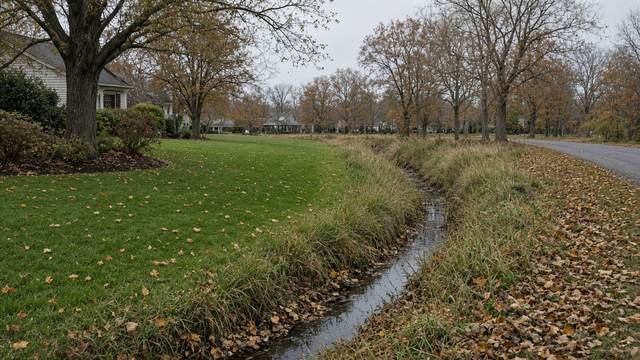
ANNAPOLIS, MARYLAND — Maryland's annual ban on most lawn fertilizer starts Monday, Nov. 16, a rule the Maryland Department of Agriculture says is meant to keep nitrogen and phosphorus out of local rivers and the Chesapeake Bay when grass is dormant.
In an Oct. 15, 2026, news release, MDA reminded residents and lawn-care professionals that the blackout begins Nov. 16, 2026, under Maryland's Lawn Fertilizer Law. Residents may not apply nitrogen or phosphorus lawn fertilizer during the blackout.
Certified lawn-care professionals may apply up to 0.5 pound of soluble or insoluble nitrogen per 1,000 square feet on lawns they manage from Nov. 16 through Dec. 1, 2026, the release says. Anyone may still apply potassium and lime if they are deemed not to be a threat to water quality. Fertilizer should never be used to melt ice on sidewalks, driveways or other paved surfaces, the release says.
MDA's Turfgrass Nutrient Management page states the same blackout dates and says the law helps protect the Bay from excess nutrients washing off lawns, golf courses, parks and other non-farm turf. Applications may resume March 1, 2027, if the ground is not frozen and heavy rain is not predicted, both the release and the program page say.
Source: Maryland Department of Agriculture
Also: Maryland Department of Agriculture (2)
Drawn from public records; drafted with AI and edited by Peter Gorman before publication.
Signed comments are held for review, then published. Obvious spam is rejected before it reaches the editor. Letters and comments.
No published comments yet.