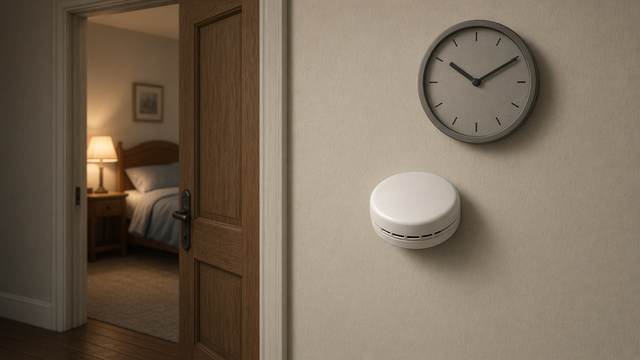
EASTON, MARYLAND — Daylight saving time ends at 2 a.m. Sunday, Nov. 1, when clocks fall back an hour. The U.S. Centers for Disease Control and Prevention suggests using that same moment to check the batteries in carbon monoxide detectors.
Carbon monoxide is an odorless, colorless gas that kills without warning, the CDC says. Gas- and oil-burning furnaces, portable generators and charcoal grills are among the household sources.
Each year more than 400 Americans die from unintentional carbon monoxide poisoning not linked to fires, more than 100,000 visit an emergency department and more than 14,000 are hospitalized, according to the agency.
The most common symptoms are headache, dizziness, weakness, upset stomach, vomiting, chest pain and confusion, which the CDC notes are often described as flu-like. People who are asleep or intoxicated can die before they notice symptoms.
The CDC's prevention list includes:
- Battery-operated or battery back-up detectors near every sleeping area.
- Replacing a detector on the maker's schedule, or every five years.
- Having the heating system, water heater and other gas, oil or coal appliances serviced by a qualified technician every year, and the chimney checked or cleaned every year.
- Never heating a house with a gas oven.
- Running generators only outside, more than 20 feet from windows, doors and vents, and never in a home or garage.
Comments
Signed comments are held for review, then published. Obvious spam is rejected before it reaches the editor. Letters and comments.
No published comments yet.